Find Reflective Tactical Gun Chest Bag for Hunting, Hiking, and Camping
Browse reflective tactical gun chest bag options for hunting, hiking, camping, and outdoor tactical use. Buyers can compare nylon and polyester construction, sizing, capacity, MOQ from 2 to 1,000 pieces, customization services, sample times, and pricing across 30 listings before requesting quotes.
Key considerations
Products List






Comprehensive Sourcing Guide
Reflective Tactical Gun Chest Bag Sourcing Guide
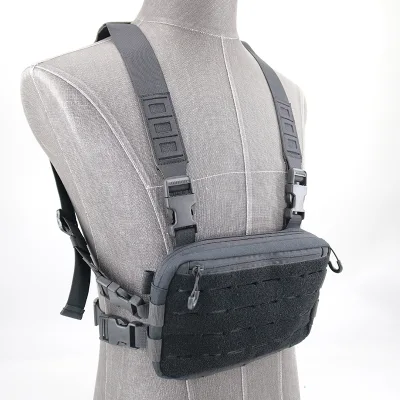
Sourcing reflective tactical gun chest bags requires a nuanced understanding of the intersection between personal protection gear and outdoor utility equipment. These items are designed to offer rapid access to defensive tools while maintaining a low profile, often utilizing high-visibility materials for safety in low-light environments. Buyers must navigate a market where product definitions can blur between strict tactical vests, general-purpose shoulder bags, and specialized holsters. The core keyword suggests a specific form factor that combines the organizational capacity of a chest rig with the visibility features of safety gear, making it suitable for a range of professional and recreational users.
The procurement landscape for these items is characterized by significant variability in material composition, capacity, and intended use. While some listings emphasize heavy-duty nylon for durability in harsh conditions, others may utilize polyester blends for lighter weight and cost efficiency. The presence of reflective elements adds a layer of complexity to the manufacturing process, requiring specific material treatments or stitching techniques that must be verified for longevity and washability. Buyers should approach this category with a clear definition of their end-user’s needs, whether that be law enforcement, security personnel, or outdoor enthusiasts, as the required specifications will differ substantially across these segments.
Product Scope and Observed Listing Signals
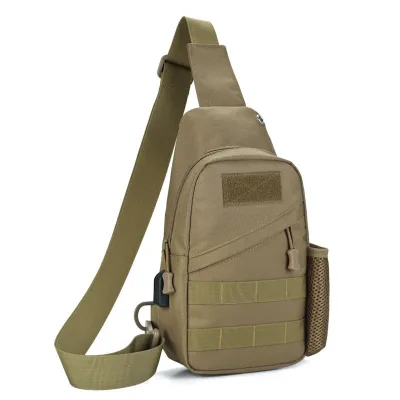
The current market signals indicate a diverse range of products that may fall under the broad umbrella of tactical chest bags or shoulder bags. Observed listings include items explicitly labeled as "Tactical Shoulder Bag" with model numbers such as LQ0923M01, which features dimensions of 21"W x 42"H x 16"D and is constructed from nylon. These larger capacity bags are often marketed for outdoor use and may serve as the primary carrier for gear, including firearm accessories. The presence of such items suggests that buyers should carefully distinguish between dedicated gun holsters and multi-functional tactical bags that may accommodate firearms as part of a larger loadout.
Conversely, other listings point to more specialized items like the "Gun Hoster" with model LQ1025H01, which has significantly smaller dimensions of 15cm x 6.5cm x 5.7cm. This item is described as having a leisure style and is suitable for hiking, trekking, and hunting, indicating a focus on personal protection rather than heavy tactical deployment. The wide variance in product models, from large shoulder bags to compact holsters, highlights the importance of verifying the exact form factor and capacity. Buyers must ensure that the product they are sourcing aligns with the specific storage and accessibility requirements of their intended application, as the term "chest bag" can refer to vastly different physical structures.
Technical Specifications to Verify
Material selection is a critical technical specification that directly impacts the durability and performance of the bag. The supplied data indicates that nylon is a common material for larger tactical shoulder bags, while polyester is noted for other models, such as the one with model number WJV250725075, which is specified as 600D polyester. Buyers should verify the denier count and weave pattern of the fabric, as these factors determine resistance to abrasion, tearing, and environmental wear. For reflective tactical applications, the type of reflective material used, whether it is sewn-in tape or printed coating, must be assessed for its ability to withstand repeated washing and exposure to sunlight without degrading.
Capacity and dimensional standards are equally important for ensuring the bag meets functional requirements. Listings show a wide range of capacities, from "Medium" to "Super Capacity," with specific dimensions provided for various models. For instance, the LQ0923M01 shoulder bag has a substantial footprint, while the LQ1025H01 gun hoster is compact. Buyers must verify the internal layout, including the number and size of compartments, the presence of MOLLE webbing for modular attachments, and the security features of closures such as zippers or buckles. It is essential to confirm that the internal structure can securely hold the intended firearm or equipment without shifting during movement, which is crucial for both safety and accessibility.
Compliance and Safety Documentation
Certification status is a key indicator of a supplier’s commitment to quality management and ethical manufacturing practices. The provided facts mention certifications such as ISO 9001, Sedex, and BSCI for certain tactical shoulder bags. ISO 9001 indicates a standardized quality management system, which can be a positive signal for consistent production quality. Sedex and BSCI certifications relate to ethical labor practices and supply chain transparency, which are increasingly important for buyers concerned with corporate social responsibility. Buyers should request valid certificates and verify their authenticity, as these documents provide assurance that the manufacturing process adheres to recognized international standards.
Safety documentation for reflective gear should include test results for reflectivity performance and material flammability. While specific test data is not provided in the supplied facts, buyers should inquire about compliance with relevant safety standards for high-visibility apparel, such as EN ISO 20471 or ANSI/ISEA 107, depending on the target market. For tactical items, it is also important to verify that the materials do not pose a fire hazard and that any metal components, such as buckles or zippers, are free from sharp edges that could cause injury. Buyers should ensure that the supplier can provide material safety data sheets (MSDS) and any relevant product safety declarations to mitigate liability risks.
Cost Drivers and Commercial Terms
Pricing in this category is influenced by a wide range of factors, including material costs, customization requirements, and order volume. The observed price range for listed items spans from $2.35 to $70, reflecting the diversity in product complexity and quality. Lower-priced items may be basic shoulder bags or simple holsters with minimal customization, while higher-priced items likely involve more complex designs, premium materials, or extensive branding options. Buyers should understand that the final cost will depend heavily on the specific configuration of the bag, including the type of reflective material, the number of compartments, and any custom logo printing or embroidery.
Minimum Order Quantities (MOQ) and lead times are significant commercial terms that affect procurement planning. The data shows MOQs ranging from 2 pieces for specialized gun hosters to 600 pieces for larger tactical shoulder bags. This variance suggests that suppliers may have different production lines or minimum batch sizes for different product types. Lead times also vary, with sample times ranging from 3-5 days to 15-20 days, and production delivery times typically between 35-50 days after order confirmation. Buyers should negotiate clear terms regarding sample approval, production schedules, and penalties for delays to ensure timely delivery, especially for time-sensitive procurement needs.
Supplier Qualification and Quality Control
Supplier capability is demonstrated through their ability to handle OEM and ODM services, as indicated by the available customization options. Buyers should assess the supplier’s design team and engineering resources to ensure they can accommodate specific requirements for reflective tactical gear. This includes the ability to modify existing designs or create new ones from scratch, incorporating features such as quick-release mechanisms, ergonomic straps, and secure firearm retention systems. A qualified supplier should be able to provide detailed technical drawings and prototypes for review before mass production begins.
Quality control processes must be rigorous to ensure that every unit meets the specified standards. Buyers should inquire about the supplier’s in-house testing procedures, including checks for stitching strength, zipper functionality, and reflective material adhesion. It is advisable to request a quality control plan that outlines inspection points during production, such as raw material inspection, in-process checks, and final random inspection. Third-party inspection services can also be employed to verify that the delivered goods match the approved samples and meet the agreed-upon specifications. Establishing a clear communication channel for addressing quality issues is essential for maintaining product integrity.
Long-Term Procurement Checks
Sustainability and ethical sourcing are becoming increasingly important in the procurement of tactical and outdoor gear. Buyers should regularly review their suppliers’ compliance with labor laws and environmental regulations, leveraging certifications like BSCI and Sedex as ongoing monitoring tools. This includes verifying that the suppliers maintain safe working conditions, pay fair wages, and minimize their environmental footprint through responsible material sourcing and waste management practices. Long-term partnerships should be built on a foundation of mutual respect and shared values regarding ethical business conduct.
Continuous improvement and market adaptation are key to maintaining a competitive edge in the tactical gear market. Buyers should stay informed about emerging trends in materials, such as lighter, stronger fabrics or more durable reflective technologies, and work with suppliers to incorporate these innovations into their product lines. Regular feedback loops with end-users can provide valuable insights into product performance and areas for improvement. By fostering a collaborative relationship with suppliers, buyers can ensure that their procurement strategy remains agile and responsive to changing market demands and customer expectations.
FAQs
What is the minimum order quantity for the reflective tactical gun chest bag?
The minimum order quantity is 600 pieces for the tactical shoulder bag, while some accessories list a MOQ as low as 2 pieces. Final MOQ depends on the exact model and customization level you request. Confirm the quantity with the supplier before placing a sample or trial order so production planning and pricing can be aligned.
Can the tactical chest bag be customized with our brand logo and colors?
Yes, customization is available. The bag supports customized colors and accepts custom logos, and the service covers both OEM and ODM arrangements. Provide your artwork and branding requirements early, because customized orders may need additional confirmation time on top of the standard 7 to 14 day sample period.
How long does production take after the order is confirmed?
Delivery time is 35 to 50 days after order confirmation for the shoulder bag, and some items list 3 to 5 day delivery. The actual timeline depends on order quantity, customization complexity, and material availability. Plan your procurement schedule around the longer window for full custom production runs.
What material and specifications does the tactical chest bag use?
The tactical shoulder bag is made of nylon, and related tactical products use 600D polyester. Listed dimensions include 21 by 42 by 16 inches and 20 by 35 by 10 inches for different shoulder bag models. Request the exact specification sheet for the model you need to confirm dimensions, fabric weight, and hardware details.
Which certifications do the manufacturing facilities hold?
The listed certifications are ISO 9001, SEDex, and BSCI. These indicate quality management systems and social compliance auditing at the factory level. Always request current, dated certificate copies directly from the supplier before contracting, since certification status should be verified for the specific production facility handling your order.
How is the tactical bag packed for shipment?
Packing is 1 piece per bag with 10 bags per carton for the shoulder bag, while smaller items pack 50 pieces per bag with several bags per carton. Tactical vests are packed 1 piece per poly bag. If you need retail-ready packaging or custom carton markings, confirm requirements with the supplier before production starts.
What is the sample lead time and sampling process?
Sample time is 7 to 14 days for the tactical shoulder bag, 15 to 20 days for some accessory items, and 3 to 5 days for tactical vests. Samples let you verify material, stitching, and reflective details before bulk production. Budget extra review time for customized samples since logo application and color matching may add iterations.
Which applications suit the reflective tactical gun chest bag?
It suits hiking, trekking, hunting, camping, traveling, and personal protection uses. The medium-capacity nylon design is intended for outdoor conditions and multi-function carry, holding gear and firearms securely on the chest. Consider your typical load weight and access speed when choosing between the available sizes and styles.